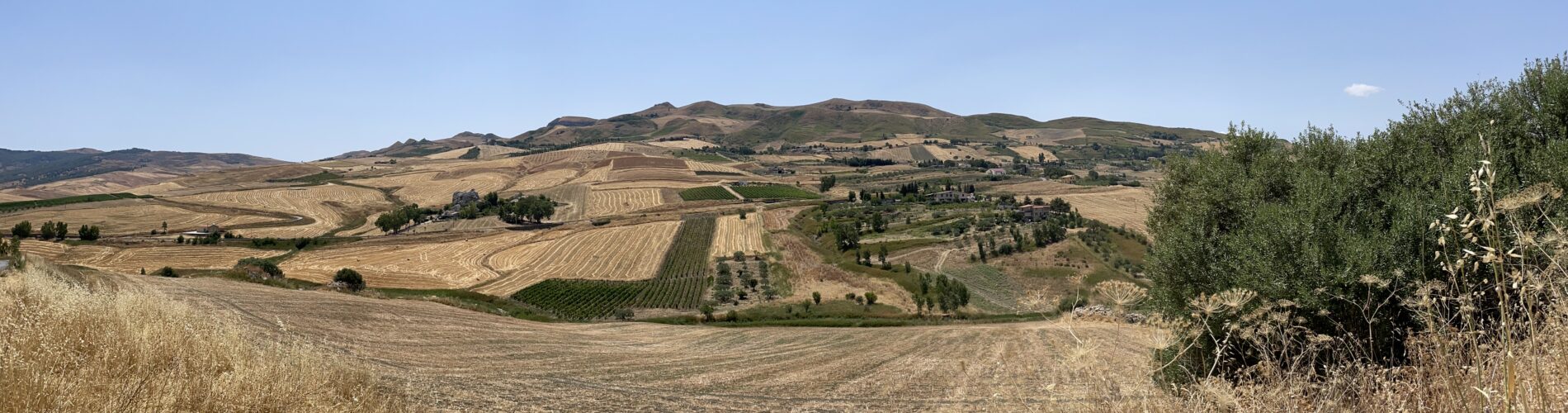
This is a story of discovery, a journey to uncover the Viola family roots in Sicily. More than a century after great-grandparents left, their descendants returned to the place where they were born and raised.
How the Story Began
In 1853, one Nicolò Viola was born in Campofiorito, Sicily, in the Kingdom of the Two Sicilies. In 1866, Maria Manale was born in the same town, but at this time, Sicily was part of the Kingdom of Italy. These lovebirds got married there, in their hometown, in 1889. In the years leading up to 1895, circumstances propelled them to plan a life-changing move. With courage and a sense of adventure, they boarded a steamer and crossed a very big pond in search of a new life.
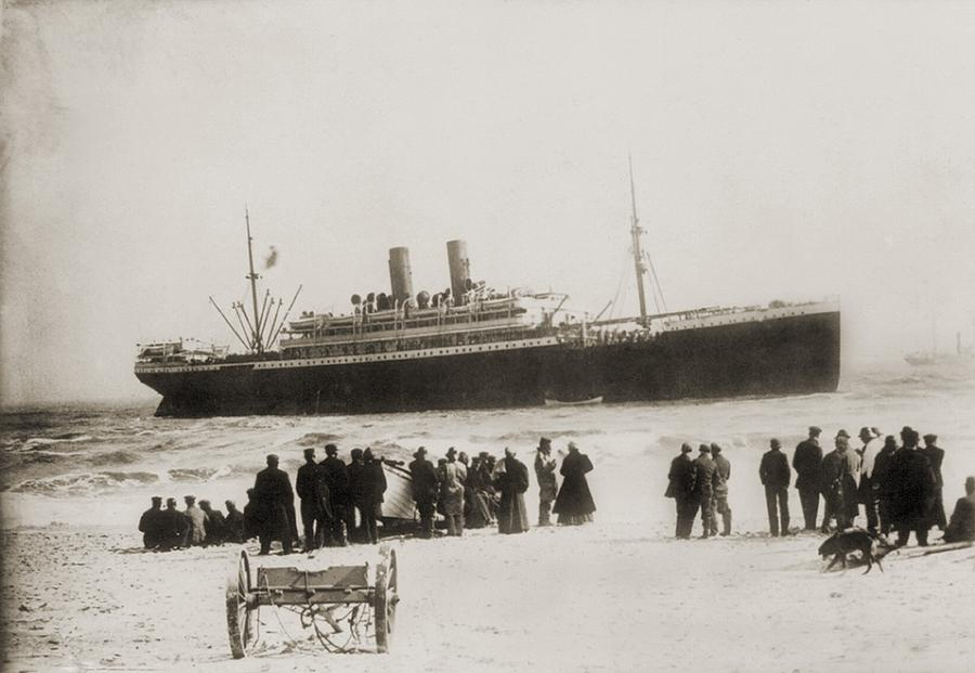
Immigrant Ship From Italy, The Princess is a photograph by Everett which was uploaded on December 5th, 2011. Source
Why They Left
At the time, Sicily was in a period of economic and social tension. Joining the Kingdom of Italy hadn’t brought prosperity to Sicily like expected. Agriculture was the main industry and a large proportion of Sicilians were peasants, agricultural laborers, or small farmers. Many didn’t own enough land to support themselves. They worked for large landowners, rented small plots, or worked as day laborers. Even worse, international competition and falling demand added to their woes. Then in 1889, the first Fasci (workers’ organizations that would become the Fasci Siciliani) appeared in Sicily. Similar to a worker’s union, the movement spoke to the lousy conditions at the time.
It’s understandable that many wanted out. In the year that Nicolò and Maria left, about 15,000 Sicilians emigrated from Italy. This was part of what was called the Italian Diaspora. The numbers got quite high in the years to come.
.
Welcome to New Orleans
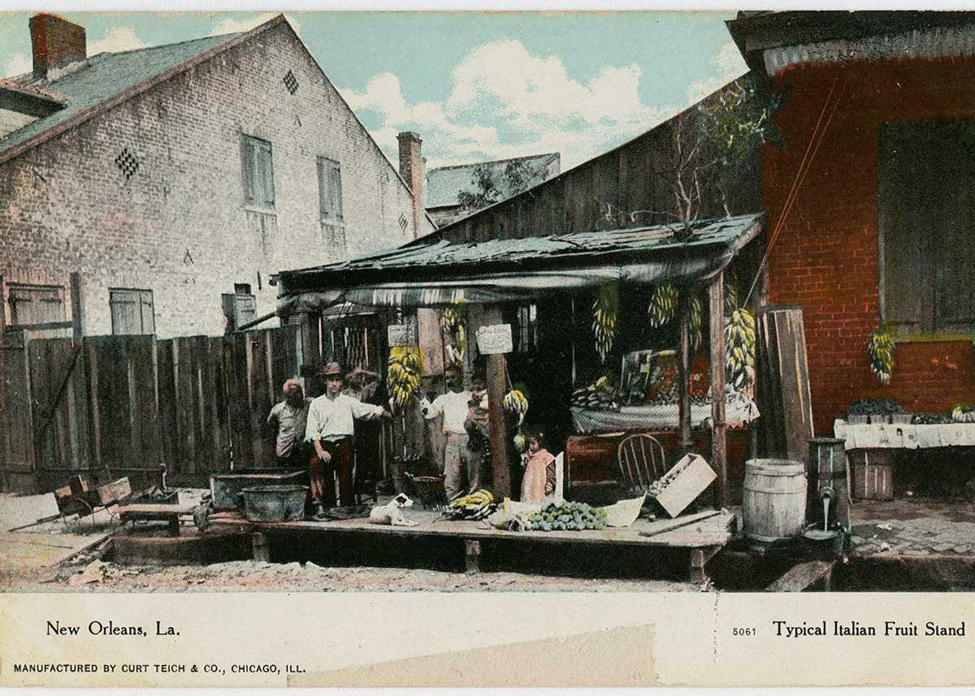
Around 1900, New Orleans was still overwhelmingly an industrial port city. The Mississippi River was its economic artery. Ships brought in and carried out enormous quantities of goods, especially agricultural products from the South and imports arriving through the Gulf.
Nicolò and Maria arrived to an already thriving Sicilian community, which settled in the lower French Quarter in an area that became known as “Little Palermo”.
Work was available in familiar type jobs, like dock work, fruit unloading, fishing, food markets, groceries, restaurants and small-scale farming. But life wasn’t all fun and games. Sicilians in New Orleans faced intense prejudice.
But despite it all, they built a life in this city, with 6 children at their feet, creating a very lush family tree. In years to come, three members of the Viola family would marry three members of the Bonura family, cementing a tight family bond between these two family lines.
.
Back to Where It Began
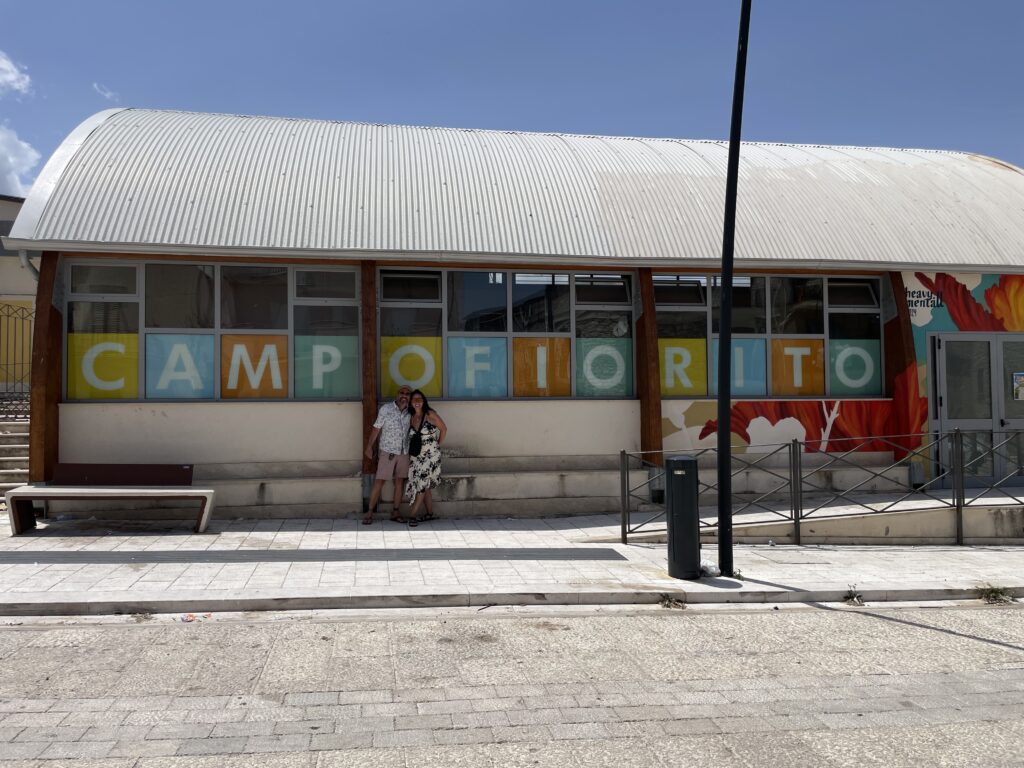
The great-grandson and great-granddaughter of Nicolò and Maria made an epic journey back to the birthplace of their great-grandparents. More than a century had passed, and the town had changed with the times. But the landscape itself must still look much as it did when Nicolò and Maria knew it.
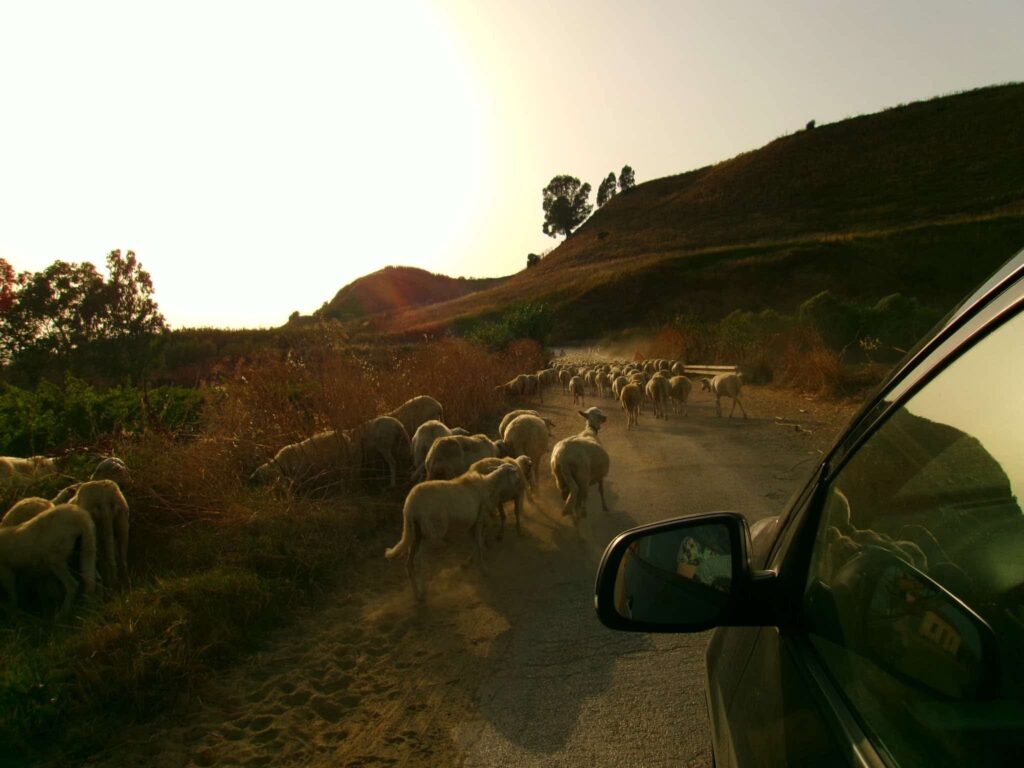
Even some of the livelihoods have remained remarkably unchanged. Sheep are still herded through the countryside, just as they would have been generations ago. This shepherd, taking over the road with his flock, offers a glimpse of a way of life that has endured through the decades.
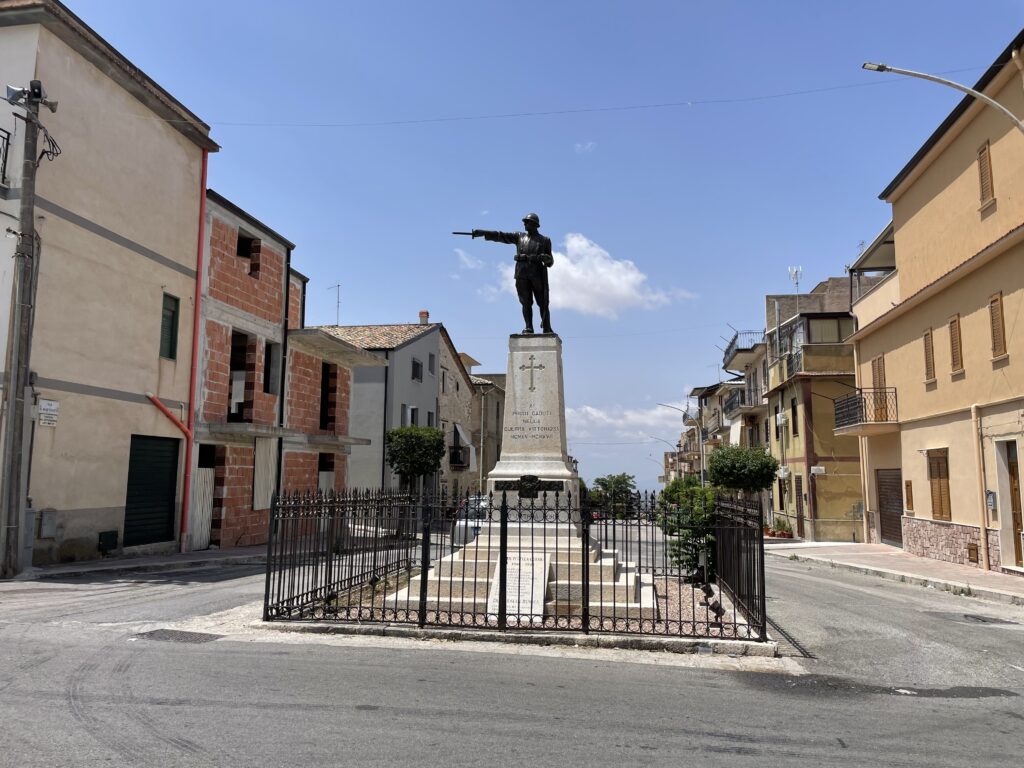
And then there are reminders of the generations that came after Nicolò and Maria. This World War I memorial stands as a tribute to the young men from the town who left home to fight for Italy. Nicolò and Maria had already crossed the Atlantic Ocean twenty years earlier, but their hometown continued on without them, through war, hardship, and change.
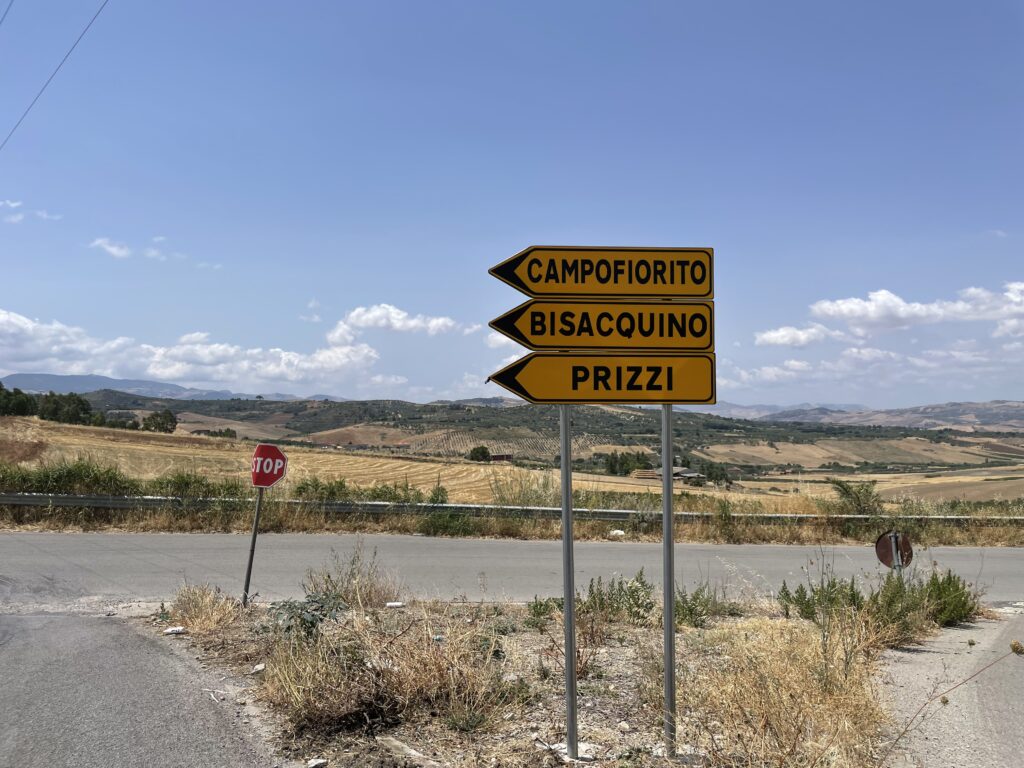
The excitement we all felt when seeing this sign can’t be measured.
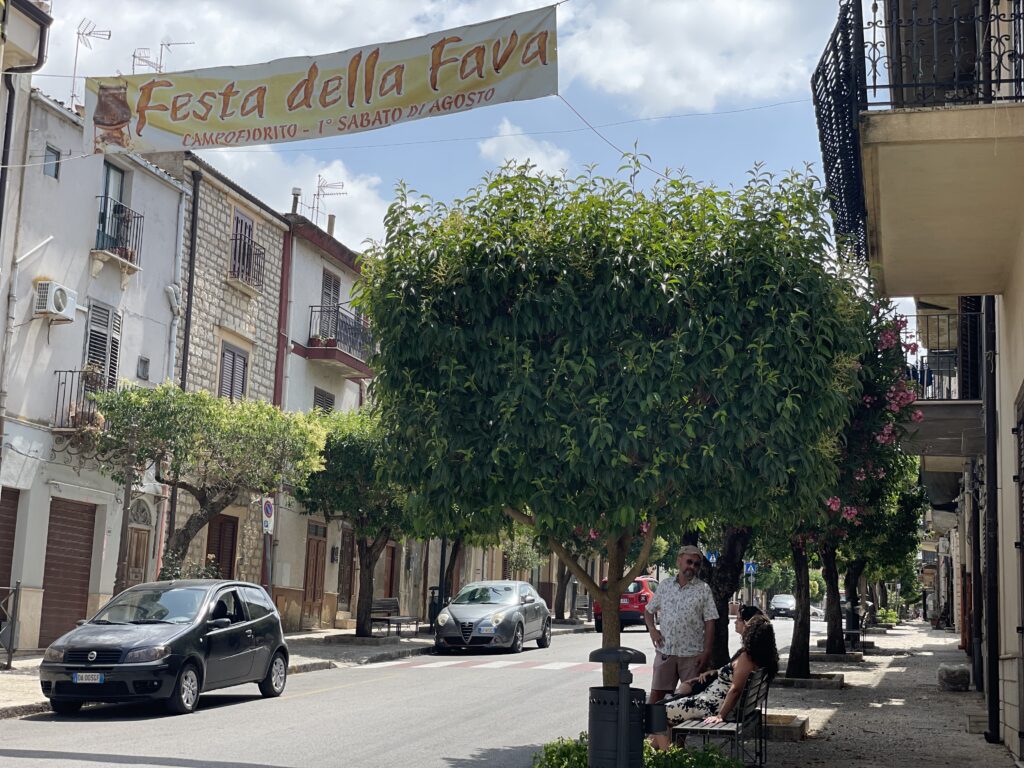
We were pleased to see that the community still has a thriving social life, with people gathering, celebrating, and enjoying one another’s company, just as they have for generations. We missed the Festa della Fava by just one day.
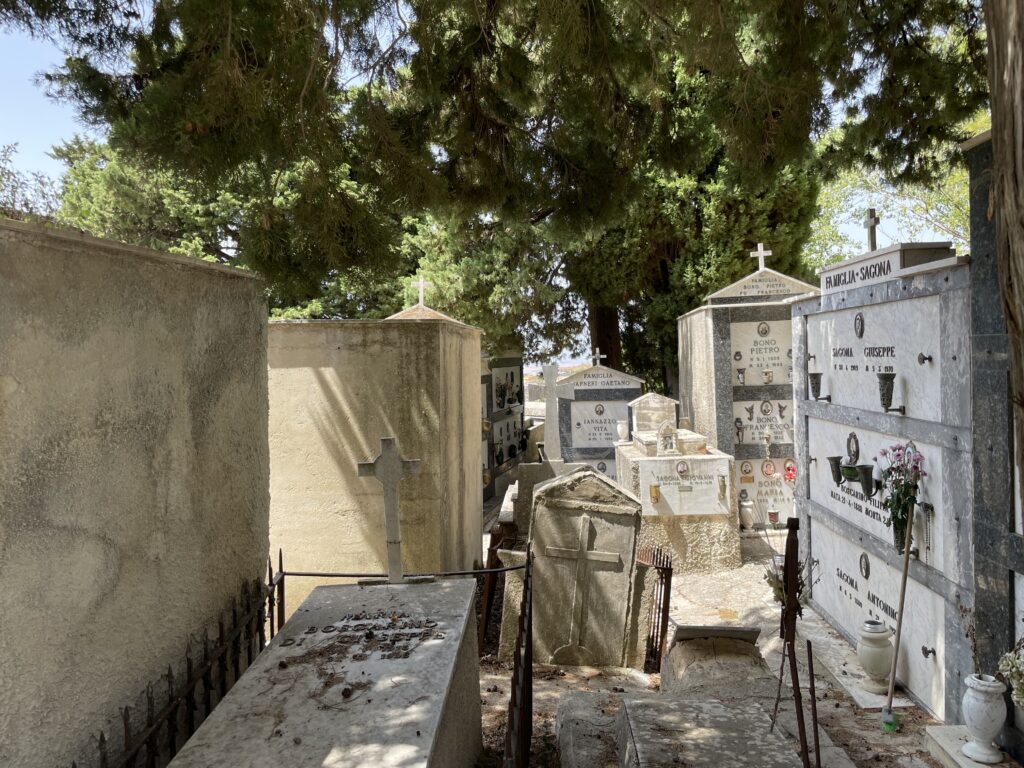
We searched the Campofiorito cemetery for the Viola family name, hoping to find a tangible connection to those who came before. Sadly, we found none. Though, this could be due to the recycling of plots.
.
Conclusion
Every family story is unique, and this one is no different. It was a privilege to discover the countryside around Campofiorito, to breathe in the scent of the grass and watch people enjoying the rhythms of everyday life.
There is something incredibly special about being able to step into the place where a family’s story began, to walk the same land that their ancestors once walked and to imagine the lives they lived before their journey took them across the ocean to another world.
We are the keepers of these stories. The people who came before us may be gone, but they live on in us, in our names, our stories, our memories, and the lives we carry forward. It is our privilege, and our responsibility, to remember them and keep their stories alive.